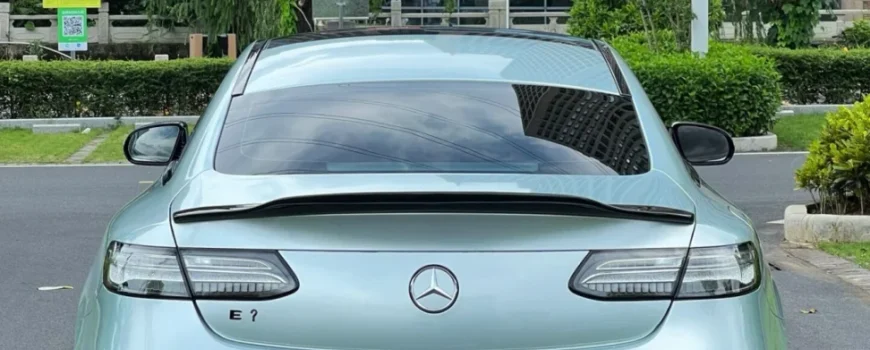
C238 tail lights aren’t something most owners think about until they see someone else’s car with a set done right. Then it’s all they can think about. If you drive a 2017-2020 E-Class C238 Coupe or Cabriolet, you’re in the right place.
I’ve spent enough time answering questions about C238 tail lights that I figured it was time to just write it down. Here’s the five things you should be asking before you hand over your credit card.
1. Are These C238 Tail Lights Built on OEM Cores or Aftermarket Shells?
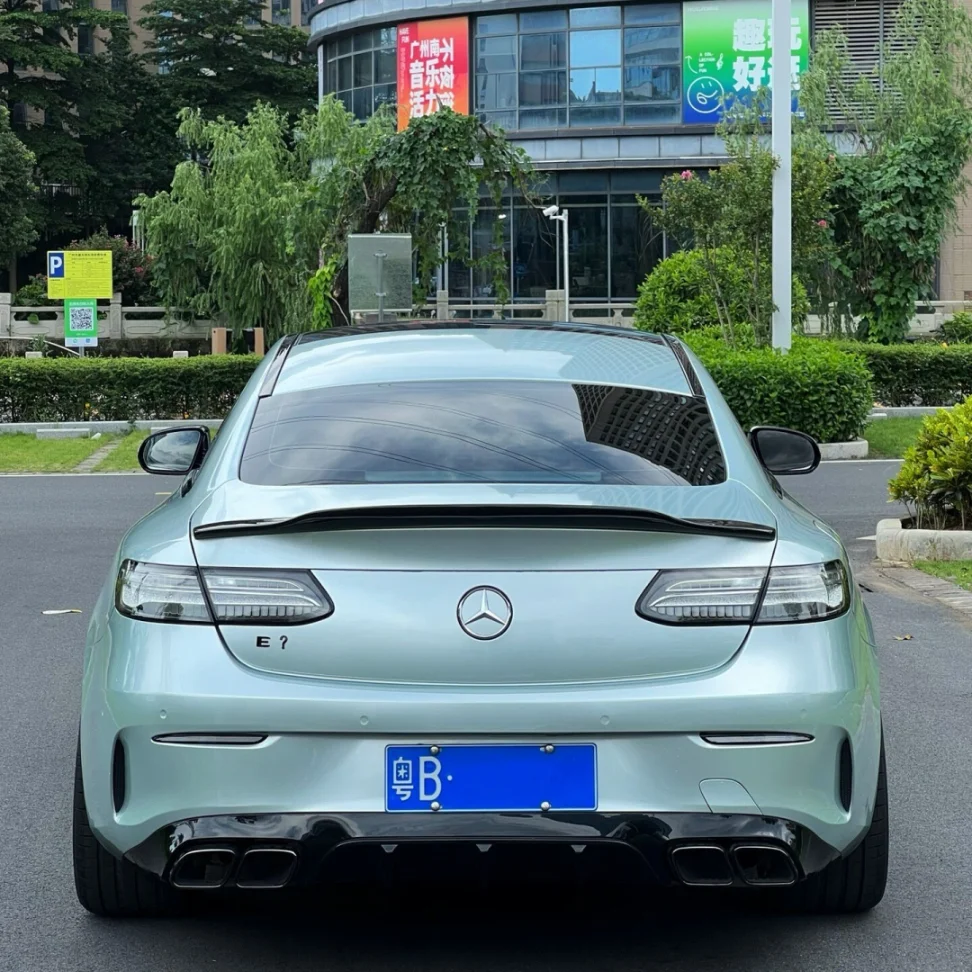
This is the biggest one, and honestly the one most people skip because they don’t know to ask it. There’s a huge difference between a C238 tail light built on a real Mercedes housing and one that’s just a reproduction plastic shell.
An OEM core means someone took a genuine Mercedes tail light — the same one that came off the factory line — and modified it. The housing, the mounting points, the internal structure — it’s all Mercedes. The only thing that changes is the lens and the finish. Fitment is perfect because it is the factory part.
Aftermarket shells, on the other hand, are made in a mold somewhere. Sometimes they fit okay, sometimes they don’t. The gaps might be off by a millimeter or two, and that’s the kind of thing you notice every time you walk up to your car. Not ideal for a car that cost what a C238 tail light upgrade represents.
When a seller says “OEM cores,” ask them if they mean they actually start with used Mercedes parts, or if they’re just using that phrase loosely. There’s a difference.
2. How’s the Sealing on C238 Tail Lights? Will It Fog Up?
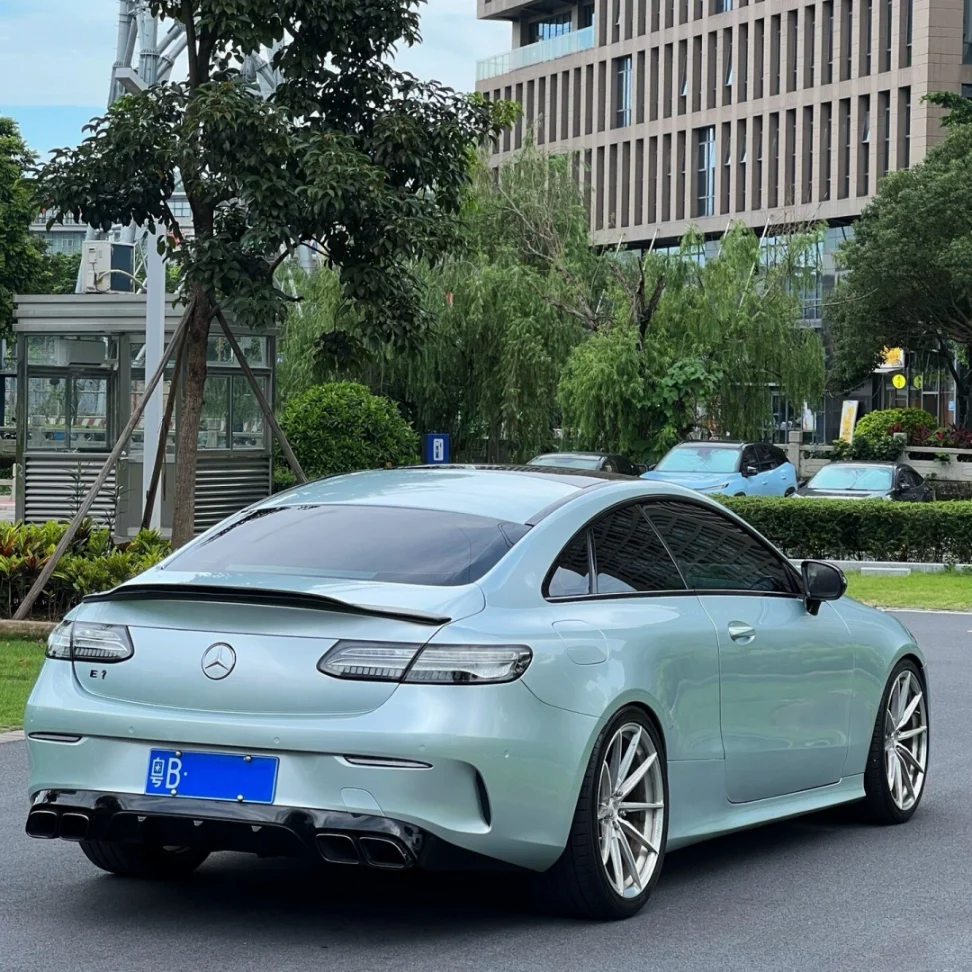
If you spend any time on Mercedes forums, you’ve seen the threads. C238 owners posting pictures of condensation inside their C238 tail lights, asking what went wrong. It’s one of the most common complaints with modified lights, period.
The answer is in the sealing process. The good shops use butyl sealant — the same stuff Mercedes uses from the factory. They hand-seal each light, not just run it through a machine. And they test them. Water test, leak test, all of it.
If a seller can’t tell you exactly how they seal their C238 tail lights, that’s a red flag. You don’t want to find out six months in that moisture is building up inside your new lights.
3. Do C238 Tail Lights Actually Work Plug and Play Without Error Codes?
Here’s a question I get all the time about C238 tail lights: “If I install custom lights, will my dashboard throw error codes?” The honest answer for our build is no, and here’s why.
Our build process only swaps the lens and the housing finish on the original used Mercedes tail light. The LED boards, the wiring, the connectors, the resistors — all of that stays 100% original Mercedes. Nothing electronic gets touched. So when you plug it into the factory harness, the car sees the exact same load it saw with the stock light. No error codes. No coding required. No resistors to add.
This is actually a huge difference from cheaper alternatives that use aftermarket LED boards and housings. Those CAN trigger CANbus errors because the current draw doesn’t match what Mercedes engineered the system for. You’re then stuck adding load resistors, coding out warnings, or worse — just living with the dashboard beeping every time you start the car.
With a properly built OEM-core C238 tail light, you bolt it in, plug the connector, done. No surprises.
4. Are You Getting a Full Set of C238 Tail Lights or Just the Outers?
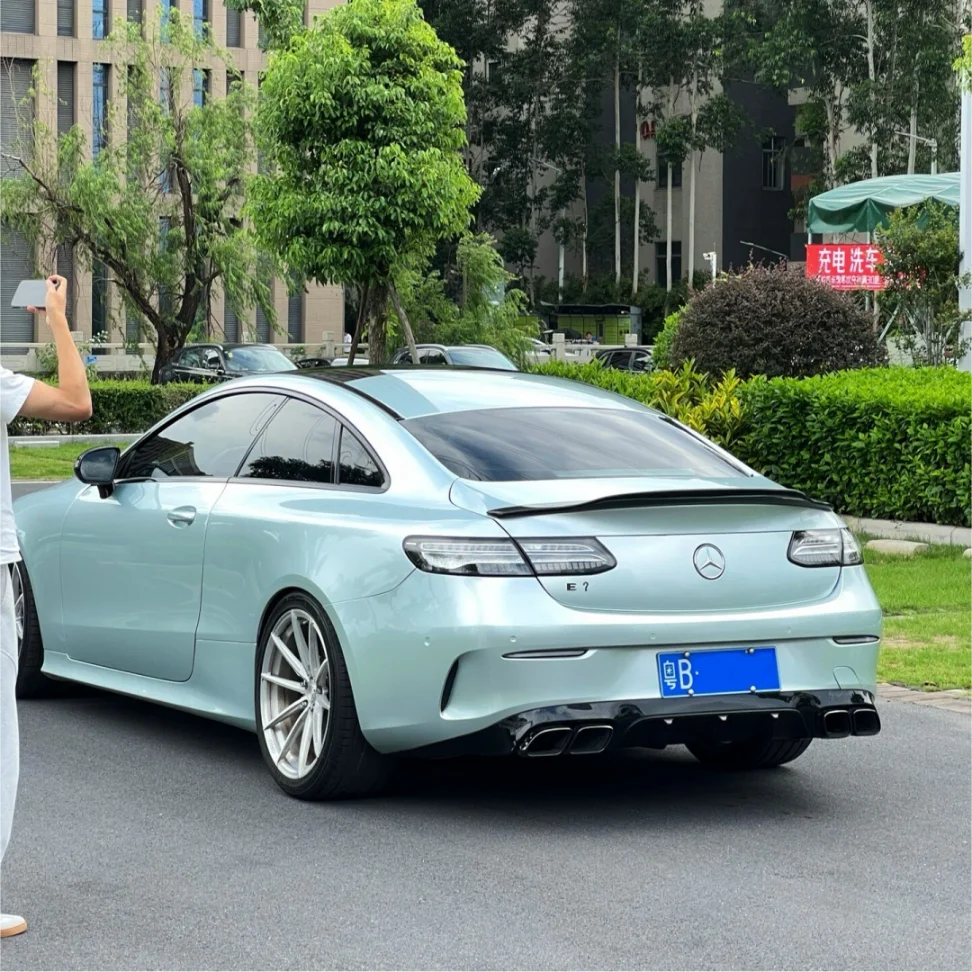
The C238/A238 takes four tail light units — outer left, outer right, inner left, inner right. Some sellers only offer the outers and call it a day. The problem is, your inner lights stay stock, and the mismatch is obvious. You end up with half a look.
A four-piece set matches across the whole rear. It’s more money upfront, but it beats looking at your car every day wishing you’d done it right the first time.
5. What’s the C238 Tail Lights Price Actually Buying You?
This is where it gets real. You’ll see C238 tail lights ranging from $400 to over $1,000. The cheap ones are almost always aftermarket shells with basic LED boards. They might look okay in the product photos, but you’re taking a gamble on fitment and longevity.
The more expensive ones — the $800-$1,000 range — are handcrafted from OEM cores, hand-sealed, water-tested, and built to last. Each set takes time. The 7-10 business day wait isn’t a delay tactic; it’s because someone is actually building your C238 tail lights by hand.
You’re paying for the labor, the materials, and the fact that someone gave enough of a damn to test each set before it ships. For a car like the C238, that matters.
Bottom Line on C238 Tail Lights
View Mercedes C238 Tail Lights →
Ask these five questions before you buy. If a seller can answer all of them clearly, you’re in good hands. If they’re vague or dodgy about any of them, walk away. There are enough good C238 tail lights options out there that you don’t need to settle.
For a handcrafted OEM-core Venom Clear set for the 2017-2020 E Coupe or Cabriolet, check out KT Auto’s C238 tail lights here.